
Planning to drill a borehole in Kenya? One of the first questions most property owners ask is, “How much does borehole drilling cost in Kenya?”
The answer depends on several factors, including your location, the expected drilling depth, geological conditions, water yield, and the type of pumping system you choose.
This guide explains the main cost components of a borehole project, the factors that influence pricing, and how you can plan your investment effectively.
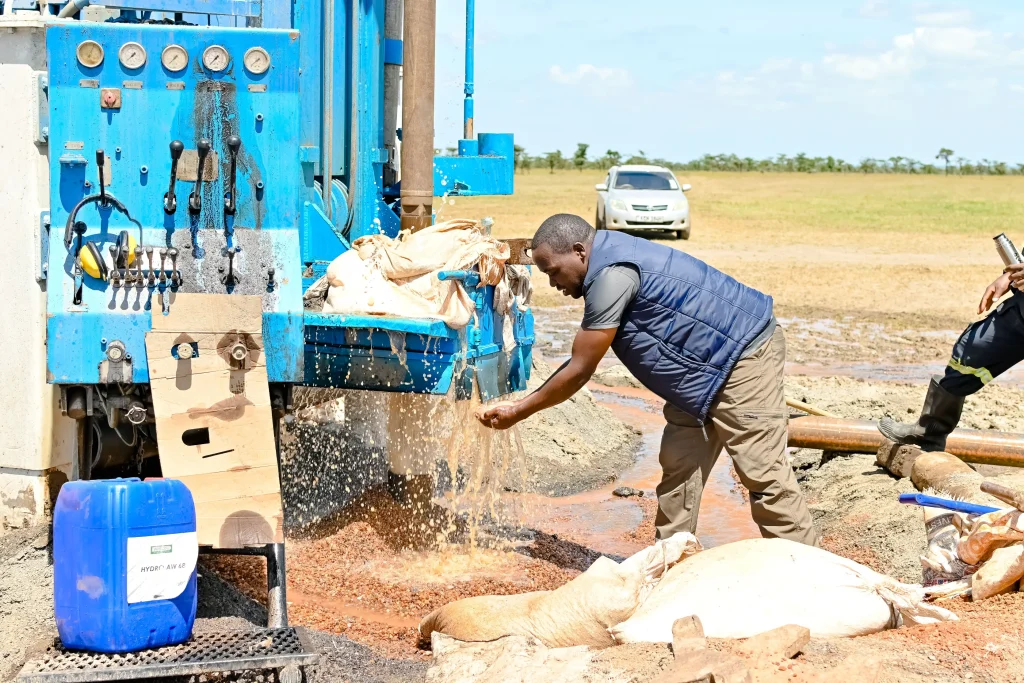
Why Invest in a Borehole?
With increasing water demand and rising utility costs, many homeowners, farmers, schools, industries, and commercial developments are investing in private boreholes to secure a reliable and long-term water supply.
A professionally drilled and equipped borehole provides:
- Reliable access to clean water
- Reduced dependence on municipal water
- Lower long-term water costs
- Increased property value
- Sustainable water supply for irrigation and business operations
What Determines Borehole Drilling Cost in Kenya?
No two borehole projects are exactly the same. Several factors influence the overall project cost.
1. Hydrogeological Survey
Before drilling begins, a hydrogeological survey is carried out to determine the most suitable drilling location and estimate the expected drilling depth.
A professional survey significantly improves the chances of drilling a productive borehole.
2. Drilling Depth
Depth is one of the biggest factors affecting cost.
Some areas reach water at relatively shallow depths, while others require drilling much deeper due to geological conditions.
Greater depths generally require:
- More drilling time
- More drilling consumables
- Additional casing
- Higher operational costs
3. Geological Formation
Different rock formations require different drilling techniques.
Hard rock formations often take longer to drill than softer formations, affecting project duration and equipment usage.
4. Borehole Casing
After drilling, the borehole is lined with casing pipes that stabilize the borehole walls and protect the water source.
The quantity and type of casing required depend on:
- Borehole depth
- Ground conditions
- Project specifications
5. Borehole Development
Once drilling is complete, the borehole is developed to remove fine particles and improve water flow.
Proper borehole development improves water quality and long-term performance.
6. Test Pumping
Test pumping measures:
- Borehole yield
- Water recovery rate
- Sustainable pumping capacity
This information is essential when selecting the correct pumping equipment.
7. Pump Installation
The pumping system represents another major investment.
Costs vary depending on:
- Borehole depth
- Water demand
- Pump capacity
- Power source
Many clients today choose solar-powered pumping systems to reduce operating costs.
8. Water Storage
Most projects also include water storage facilities such as:
- Elevated water towers
- Steel water tanks
- Plastic storage tanks
The size and design depend on your daily water requirements.
Typical Borehole Development Process
A complete borehole project generally includes:
✔ Site Assessment
✔ Hydrogeological Survey
✔ Borehole Drilling
✔ Borehole Casing
✔ Borehole Development
✔ Test Pumping
✔ Pump Installation
✔ Water Storage System
✔ Commissioning
Hidden Costs to Consider
Many people focus only on drilling costs and overlook other important project expenses.
Depending on your project, you may also need to budget for:
- Water quality testing
- Electrical installation
- Solar pumping equipment
- Generator backup systems
- Pipeline installation
- Water storage tanks
- Water towers
- Routine maintenance
- Regulatory permits where applicable
Discussing the complete project scope with your contractor before work begins helps you avoid unexpected costs.
How to Reduce Borehole Drilling Costs
While every project is different, there are practical ways to improve value without compromising quality.
Conduct a Professional Survey
Starting with a hydrogeological survey reduces the risk of drilling in an unsuitable location.
Work with an Experienced Contractor
An experienced contractor uses appropriate equipment, follows industry best practices, and helps prevent costly mistakes.
Think Long-Term
Choosing quality materials and professional installation often reduces maintenance costs and extends the lifespan of your borehole system.
Consider Solar Pumping
Although solar systems require a higher initial investment, they can significantly reduce electricity and fuel costs over time.
Why Choose Pumpzen Engineering?
Pumpzen Engineering provides complete groundwater development and water engineering solutions across Kenya.
Our services include:
- Hydrogeological Surveys
- Borehole Drilling
- Borehole Development
- Test Pumping
- Borehole Equipping
- Solar Water Pumping Systems
- Water Infrastructure
- Water Storage Solutions
- Pump Maintenance & Rehabilitation
Why clients trust us:
- 16+ Years of Engineering Experience
- 50+ Successfully Delivered Projects
- Licensed Water Development Contractor
- NCA Registered Contractor
- Experienced Engineers & Geologists
- Nationwide Project Delivery
Frequently Asked Questions
How much does it cost to drill a borehole in Kenya?
The total cost varies depending on location, drilling depth, geological conditions, borehole design, pumping equipment, and water storage requirements. A site assessment and hydrogeological survey provide the most accurate project estimate.
How deep should a borehole be?
Borehole depth varies from one location to another based on local geology and groundwater availability. A hydrogeological survey helps estimate the expected drilling depth.
How long does borehole drilling take?
Project duration depends on drilling depth, geological conditions, weather, and site accessibility. Most projects progress through surveying, drilling, development, testing, and equipping before completion.
Is a hydrogeological survey necessary?
Yes. A professional survey helps identify the best drilling location, reducing project risk and improving the likelihood of a successful borehole.
Ready to Start Your Borehole Project?
Whether you’re planning a residential, agricultural, commercial, or institutional borehole, our experienced team is ready to guide you through every stage of the project.
From groundwater surveys to drilling, pump installation, and complete water systems, we provide reliable engineering solutions tailored to your needs.
Request a Free Site Assessment
Talk to our engineers today for professional advice and a no-obligation quotation.
📞 Call Us Today